

Student sustainability is something more and more people in full-time education are genuinely trying to build into their daily lives, and the good news is it doesn’t have to mean big sacrifices or expensive choices. Living in Liverpool actually puts you in a pretty good position to make greener habits stick, whether that’s cutting down on waste, travelling smarter, or shopping more consciously. Here’s your practical guide.
In this guide:
- Why student sustainability matters
- Cutting food waste in your student house
- Getting around Liverpool the greener way
- Shopping more consciously without spending more
- Small reusable swaps that actually make a difference
- Energy use in student accommodation
- Recycling in Liverpool, done properly
- Getting involved beyond your front door
- Finding a home that supports a sustainable lifestyle
Why Student Sustainability Matters (and Why Now)
It’s easy to feel like your individual choices don’t add up to much. But university is one of the best times to form habits that you’ll carry with you for decades. Students collectively represent a huge amount of consumption, food, energy, transport, fast fashion, and small, consistent changes across a large group genuinely make a difference.
According to UK government waste statistics, the country generates over 100 million tonnes of waste every year, with households responsible for a significant share. Students moving in and out of accommodation every year, buying new, discarding the old, contribute more than most people realise.
Beyond the bigger picture, living more sustainably often means spending less. Less food waste means your weekly shop goes further. Cycling instead of taxis saves real money. Secondhand shopping beats high street prices. So there’s a practical, financial case for it too, which isn’t nothing when you’re managing a student budget.
Cutting Food Waste in Your Student House
Food waste is one of the biggest sustainability issues in shared student accommodation. The UK throws away approximately 9.5 million tonnes of food every year, and student households, with their mix of clashing schedules and inconsistent shopping habits, contribute more than their fair share. With four or five people doing their own thing, a lot of food ends up in the bin before it’s even gone off.

Do a weekly fridge audit
Before anyone goes shopping, spend five minutes going through the fridge together. It stops duplicate buying, reminds everyone what needs using up, and means you’re shopping from necessity rather than habit. It takes almost no time and makes a noticeable difference to how much gets thrown away.
Try Too Good To Go in Liverpool
The Too Good To Go app lets you grab surplus food from local cafés and restaurants in Liverpool at a fraction of the normal cost, great for lunch on the go, and you’re directly preventing food from going to waste. Loads of Liverpool independents are on there, especially around the city centre and Smithdown Road.
Get into batch cooking
If someone’s making a big pot of pasta or curry, make extra portions for the freezer. Less food going to waste, less energy used, and you’ve got meals sorted for the week. It’s one of those sustainable student living habits that’s also just practical.
Getting Around Liverpool the Greener Way
Liverpool is a genuinely walkable city, especially across the student areas like Smithdown Road, Wavertree, and the city centre. If you’re heading to campus, lectures, or the library, it’s worth checking whether you actually need public transport or whether you can walk it in twenty minutes.
Walk or cycle where you can
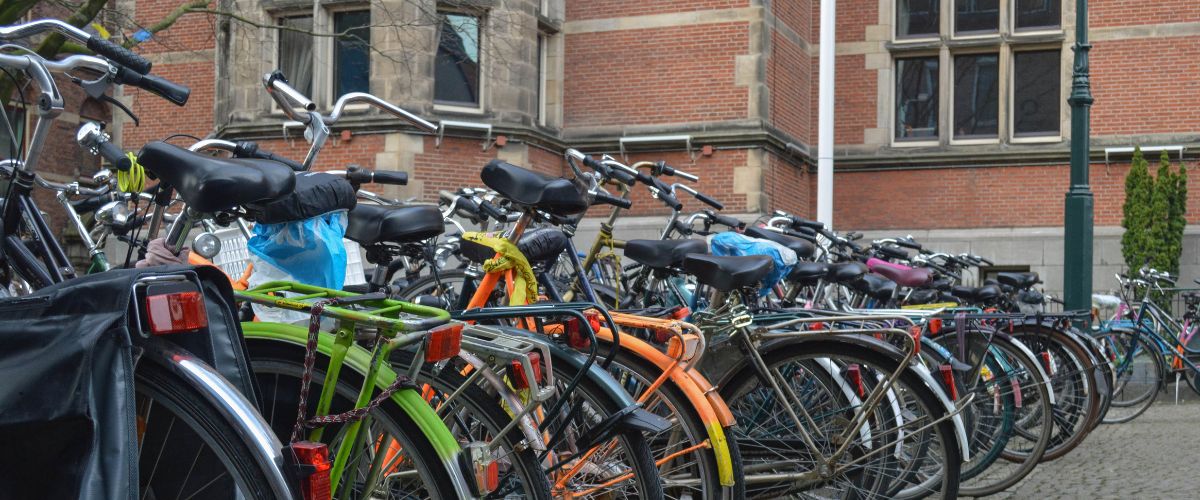
Cycling is increasingly viable in Liverpool. The council has been expanding the cycling infrastructure, and a second-hand bike, easily found on Facebook Marketplace or through Liverpool’s various student community groups, will pay for itself quickly compared to regular bus or taxi fares. It’s better for your carbon footprint and your fitness.
Use Merseytravel for everything else
When you do need public transport, the Merseytravel network covers bus, train, and ferry across the city region. If you’re using it regularly, a Merseytravel Trio ticket covers unlimited travel across all modes and works out considerably cheaper than paying per journey. It also means you’re not relying on taxis, which, beyond the cost, carry a much larger per-journey carbon footprint than shared public transport.
There are also term-time student ticket options worth knowing about, including the Education Pass (Solo Term Time Ticket) available on the Merseytravel MetroCard, and the Stagecoach Unirider Plus. We’ve put together a full guide to saving money on bus travel in Liverpool if you want to see all the options in one place.
Shopping More Consciously Without Spending More
Fast fashion is one of the toughest habits to shift, partly because it’s so convenient and so cheap in the short term. But Liverpool has a genuinely good second-hand scene, one of the better ones outside London.
Explore Liverpool’s second-hand scene
Bold Street and the surrounding areas have several charity shops and independent vintage stores worth knowing. There are also regular vintage fairs and pop-up markets across the city. For homeware, books, and kitchen bits when you first move in, Facebook Marketplace and local student selling groups on social media are genuinely useful. A lot of what you need (lamps, storage, crockery) can come second-hand with very little effort. We’ve put together a guide to the best charity shops in Liverpool if you want a full rundown of where to go.
Buy less, but buy better
If you do buy new, think about longevity over cheapness. A cheaper version of something that breaks within a year isn’t actually cheaper, or more sustainable, than something that lasts. This applies to clothing, kitchen equipment, and tech, especially.
Go digital where you can
One tip that’s easy to miss: switch to digital notes and e-books where possible. Borrowing from the library or downloading digital versions of textbooks cuts both cost and waste significantly.
Small Reusable Swaps That Actually Make a Difference
Some of the easiest sustainable student living changes are also the smallest. The UK throws away around 2.5 billion disposable cups every year, and a significant chunk of those come from students grabbing a morning coffee between lectures.
A few reusable items genuinely worth getting:
- A reusable coffee cup, most Liverpool cafés offer a small discount when you bring your own, so it pays back quickly
- A reusable water bottle, campus buildings across Liverpool’s universities all have water refill points; use them
- A tote bag avoids the plastic bag charge and is lighter to carry than you’d think
- Reusable food containers, useful if you’re batch cooking or taking lunch in, and they cut down on cling film and foil
None of these cost much, and once they’re habits, they become invisible. They’re also the kind of thing that tends to spread through a shared house once one person starts.
Energy Use in Student Accommodation
Energy use is often partly out of students’ hands; it depends on the property’s insulation, heating system, and how it’s managed. But there are still meaningful things you can control day to day.
The easy wins
- Turn lights off when you leave a room. In shared houses, it’s easy to assume someone else will do it
- Switch off plugs at the socket rather than leaving devices on standby; chargers, TVs, and gaming consoles all draw power even when idle
- Take shorter showers, especially during busy morning periods when the hot water system is working hardest
- Wash clothes at 30°C rather than 40°C, most modern detergents work just as well at lower temperatures
Use monitoring tools if you have them
If your accommodation has a smart meter or any kind of energy display, check it occasionally, even just being aware of usage tends to reduce it.
Flag problems to your letting agent
If you notice obvious issues, draughts around windows, single glazing, or a boiler that seems to run constantly, flag them to your landlord or letting agent. It’s their responsibility to maintain the property to a reasonable standard, and energy inefficiency often points to something that needs fixing. Good landlords will want to know.
Check the EPC before you sign
One of the most overlooked things students can do before committing to a property is check its Energy Performance Certificate (EPC). Every privately rented property in England and Wales is legally required to have one, and it tells you, before you sign anything, how energy-efficient the building actually is.
EPCs are rated from A (most efficient) to G (least efficient). A property rated D or below is likely to cost significantly more to heat, especially in older Liverpool terraced housing stock where insulation and window glazing can vary considerably. That difference in energy bills adds up fast across a full tenancy.
You can look up any property’s EPC for free on the government’s EPC register. Any decent landlord or agent will actively include property EPCs on their website.
Recycling in Liverpool, Done Properly
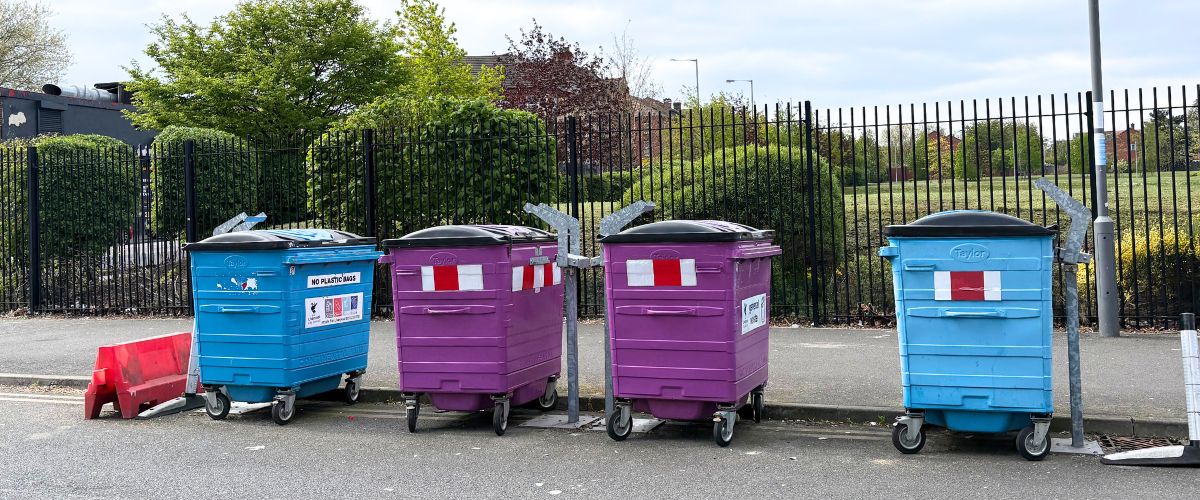
Liverpool City Council provides recycling collections, but what goes in which bin varies slightly by area and property type. In shared houses, recycling often goes wrong because people aren’t sure what’s accepted, and contaminated recycling frequently ends up in general waste anyway, which defeats the point entirely.
Know what your collection covers
It’s worth spending five minutes at the start of term checking the Liverpool City Council recycling guide for your specific area. Generally, paper, card, glass, and most plastic containers are accepted. Greasy pizza boxes, food-contaminated packaging, and plastic film usually don’t, these go in general waste, rather than contaminating the recycling stream.
Use your food waste caddy
Food waste caddies are available across Liverpool. If your property has one, using it properly is one of the most impactful things you can do at home. Food in general waste generates methane as it breaks down, whereas food processed through the caddy gets composted or converted to energy. Check with your letting agent if you’re not sure whether your property is included.
Getting Involved Beyond Your Front Door
If you want to take sustainable student living further than your own household habits, all of Liverpool’s main universities have active student sustainability or environmental societies. They organise everything from litter picks and community gardens to campaigns and awareness events, and they’re a good way to meet people who care about the same things.
There are also community-level initiatives across Liverpool, from repair cafés (where volunteers help you fix broken items rather than throw them away) to food co-ops and community growing projects, that are open to students and worth knowing about.
If staying active is part of your student lifestyle, it’s worth knowing that many of Liverpool’s gyms offer student discounts too. Take a look at our guide to Liverpool gyms with student discounts for a full rundown.
Finding a Home That Supports a Sustainable Lifestyle
Where you live plays a bigger role in sustainable student living than people often realise. Being within walking or cycling distance of your university reduces your reliance on taxis and public transport. Living in a well-managed property with decent insulation and modern appliances means lower energy use day to day. Shared accommodation, houses rather than single-person flats, naturally reduces the per-person energy and heating footprint.
If you’re looking for student accommodation in Liverpool that’s well-managed and in the right location for your university, Luxury Student Homes has properties across Liverpool’s main student areas, from Smithdown and Wavertree to the city centre. A good home makes sustainable living easier, not harder.
Sustainable student living in Liverpool doesn’t require an overhaul of your life; it’s mostly about building small, consistent habits that add up. Start with the food waste, get yourself a decent second-hand bike, and the rest tends to follow.